

Seen “opt” in a message and not sure what it means? You are not alone. The word pops up in group chats, work emails, bank notices, and even visa forms. Each place uses it a little differently.
This guide breaks it all down in plain English. You will learn what OPT means in text, how people use it online, and what it means in school, health care, banking, and business. You will also get real examples you can copy.
OPT Meaning in Text – Quick Answer
In text, “opt” is a short word that means “to choose.” It is not a new slang acronym. People use it to say they choose something, or to say they are skipping something.
Most of the time you will see it in two forms:
- Opt in: to join or agree to something.
- Opt out: to leave or say no to something.
Example: “I’m opting out of the trip. Too busy this month.” That simply means “I’m not going.”
OPT Meaning in Hospital
In a hospital or clinic, OPT can stand for outpatient therapy. This is care you get without staying overnight. Think physical therapy, speech therapy, or rehab visits.
In dental offices, OPT can also mean orthopantomogram. That is a panoramic X-ray of the whole mouth. Dentists use it to check teeth, jaw bones, and wisdom teeth.
Medical shorthand changes by hospital and department. If you see OPT on a chart or bill, ask the staff to confirm what it means for your case.
Opt Meaning in Banking
Banks use “opt” when they give you a choice. You will see it in account settings and in mailed notices.
Here are common banking examples:
- Opt into overdraft coverage for debit card and ATM purchases.
- Opt out of data sharing with outside companies.
- Opt in to paperless statements and text alerts.
- Opt out of promotional offers and marketing calls.
In the U.S., federal rules require banks to get your permission before they charge overdraft fees on everyday debit card and ATM transactions. That permission is an opt-in. Always read the notice before you say yes.
Opt Meaning in English
In standard English, “opt” is a verb. It means to make a choice, usually from a few options. It often comes with a small word like “for,” “in,” or “out.”
| Phrase | Simple Meaning | Example |
| Opt for | Choose | “I opted for the blue one.” |
| Opt in | Join | “She opted in to the newsletter.” |
| Opt out | Decline or leave | “He opted out of the group project.” |
| Opts | Chooses (he, she, it) | “She opts for tea every morning.” |
It comes from the Latin word optare, which means “to choose” or “to wish.” It is the same root as “option” and “optional.”
Opt Meaning in Business
In business, opt-in and opt-out are everyday terms. They describe how companies get permission from customers. Good permission practices build trust and keep brands out of legal trouble.
Common business uses include:
- Email marketing: people opt in by signing up for a list.
- Text alerts: customers opt in by replying “YES” or “START.”
- Data privacy: users opt out of tracking or sales of personal data.
- Employee benefits: workers opt in to a 401(k) or health plan.
In the U.S., the CAN-SPAM Act says businesses must honor an email opt-out request within 10 business days. Text marketing is covered by stricter rules, and companies need clear consent first.
OPT Meaning in Medical
In medical settings, “opt” can show up in two ways. The first is as a short form, like OPT for outpatient therapy or orthopantomogram. The second is as a normal English verb in patient choices.
For example, a doctor may say, “You can opt for surgery or try physical therapy first.” Here, “opt” just means “choose.” Patients also opt in or out of clinical trials, reminder texts, and patient portal messages.
Medical choices should always be informed. If a term feels unclear, ask your provider to explain it in simple words.
OPT Meaning Visa
For international students in the U.S., OPT means Optional Practical Training. It is a work permission linked to the F-1 student visa. It lets students work in jobs related to their field of study.
Here are the basics:
| Type | Typical Length | Who Can Use It |
| Post-completion OPT | Up to 12 months | F-1 students after graduation |
| STEM OPT extension | Extra 24 months | Eligible STEM degree holders |
| Pre-completion OPT | Part-time during studies | Students with school approval |
Students apply through their school’s international office and U.S. Citizenship and Immigration Services (USCIS). Rules and deadlines can change, so always check the official USCIS website for the latest details.
OPT Meaning Full Form
The most common full form of OPT is Optional Practical Training. This is the answer most people in the U.S. are looking for, especially students and employers.
Other full forms depend on the field:
- Outpatient Therapy in health care.
- Orthopantomogram in dentistry.
- Optimal or optional in short notes and lists.
In casual texting, there is no official acronym. People simply use the word “opt” as a verb.
OPT Meaning Slang TikTok
On TikTok, “opt” is not a secret code. Creators and commenters use it in its normal sense, but with a casual, playful tone. It often shows up in captions about boundaries, trends, and personal choices.
Common TikTok uses:
- “I’m opting out of drama this year.”
- “Opt in if you love Monday morning workouts.”
- “Opting for peace over chaos.”
Short videos love this kind of phrase. It sounds confident and clear. It also fits well in hashtags and on-screen text.
Email Opt Out Meaning
An email opt out means you choose to stop getting emails from a sender. Most people know it as “unsubscribe.” Once you opt out, the company should remove you from its list.
Here is how it usually works:
- Open the email.
- Scroll to the bottom.
- Click “Unsubscribe” or “Manage preferences.”
- Confirm your choice.
Legitimate U.S. businesses must include a working opt-out link. If an email has no way to opt out, be careful. It may be spam or a scam.
What OPT Mean in Text
When someone asks “what does opt mean in text,” the short answer is simple. It means to choose. In chats, it usually shows up as “opt out” (skip it) or “opt in” (count me in).
Here is a quick view:
| You See | It Usually Means |
| “I’ll opt out” | “I’m not joining.” |
| “I’ll opt in” | “I’m joining.” |
| “Opting for pizza” | “I’m choosing pizza.” |
What Is Opts Mean
“Opts” is just the third-person form of “opt.” It is used when talking about one person or thing. It means “chooses.”
Examples:
- “Mia opts for the window seat every time.”
- “The app opts for dark mode by default.”
You may also see “opts” as a short form of “options” in gaming, settings menus, and code. For example, “Check the opts menu” can mean “Check the options menu.” Context tells you which meaning is used.
OPT Mean in Text
When “opt” appears in a text thread, look at the words around it. If you see “in,” “out,” or “for,” it is the verb. If it is in all caps like “OPT,” it may be a typed form of a program name, such as the student work program.
Here is a simple trick. Ask yourself two questions:
- Is the person talking about a choice? Then it means “choose.”
- Is the person talking about school or work visas? Then it means Optional Practical Training.
What Does OPT Mean in Text
So, what does OPT mean in text, really? It means a person is making a choice. Often it is a choice to say no or to step back.
That is why “opt out” is so popular in chats. It sounds polite and calm. It is softer than saying “I refuse.” It lets people protect their time without starting a fight.
Quick Examples
Here are short, real-style examples you can use right away.
- “I’m opting out tonight. I need sleep.”
- “Opt into the group chat if you want the updates.”
- “We opted for tacos instead.”
- “She opts out of every group photo.”
- “Do you want to opt in for the weekend hike?”
- “I opted out of email alerts. Too many.”
Each one uses “opt” to show a clear choice. Short, simple, and easy to understand.
Origin & Background of OPT
“Opt” has been in English for a long time. It came from the French word opter, which came from the Latin optare. Both mean “to choose” or “to wish for.”
The word became very popular in the late 20th century. Privacy laws and marketing rules made “opt-in” and “opt-out” common phrases. Companies had to ask for permission, and people had to learn the language of choice.
Then social media took over. People shortened it, repeated it, and used it in everyday talk. Today, “opt out” can mean skipping a party, a trend, or even a bad habit. It started in law and business, but now it belongs to everyone.
Also Read This Meaning: FNF Meaning
Real-Life Conversations Using OPT
Here are a few sample chats to show how “opt” sounds in real life. Notice how short and clear the messages are.
WhatsApp Conversation
Sam: We’re all going bowling Friday. You in?
Riya: I’m going to opt out this time. Long week.
Sam: No worries. Next time!
Riya: For sure. Have fun!
Instagram DM
Jade: Are you joining the giveaway group?
Leo: Opted in last night. Got the link.
Jade: Nice. I’ll sign up too.
TikTok Comments
User 1: Who’s doing the 30-day challenge?
User 2: Opting in! Day 1 starts now.
User 3: I’m opting out. Knees can’t take it.
User 2: Fair! Do what works for you.
Text Message Conversation
Mom: Do you want pasta or chicken tonight?
Ava: I’ll opt for pasta.
Mom: Perfect. Dinner at 7.
Emotional & Psychological Meaning Behind OPT
“Opt” is more than a word. It is a quiet way to show control. When you opt in or out, you are saying, “This is my choice.”
Psychologists link a sense of choice to better well-being. People feel calmer when they can say yes or no freely. Using “opt out” can help set boundaries without guilt. It feels polite, not harsh.
On the other hand, hearing “I’ll opt out” can sting. Some people feel left out or rejected. That is why tone matters. A friendly follow-up message makes a big difference.
Personal-Style Scenario
Imagine a college student named Maya. Her friends plan a late-night trip every weekend. She is tired and has exams coming up.
She texts, “I’m opting out this weekend, but let’s do brunch next week.” That one line protects her rest. It also tells her friends she still cares. The word “opt” gave her a gentle way to say no.
How OPT Is Used in Different Contexts
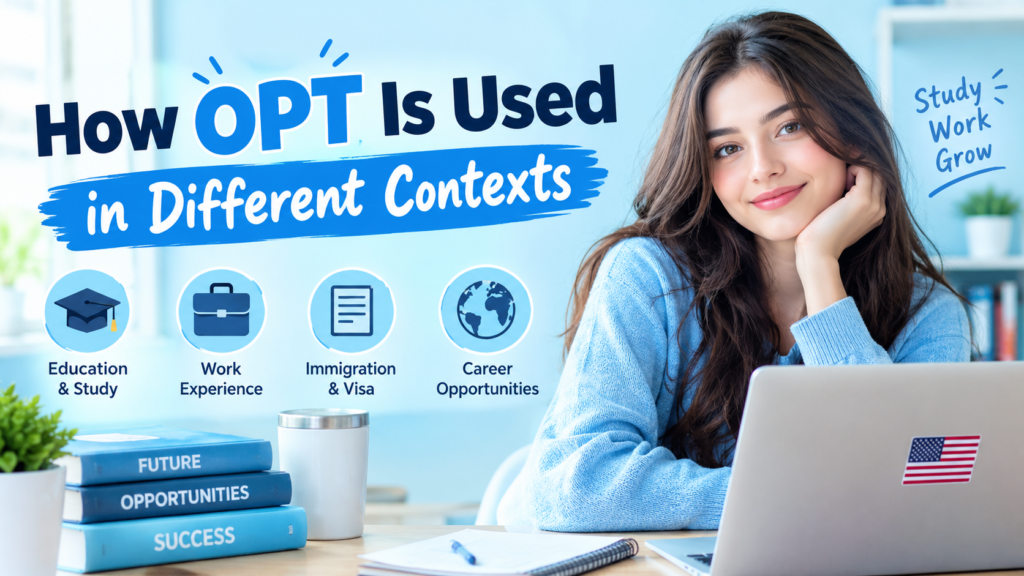
The meaning of “opt” stays the same, but the setting changes the tone. Here is how it works in everyday life.
Social Media Usage
On apps like Instagram, TikTok, and X, people use “opt” for trends and personal choices. It is common in captions, replies, and polls. “Opting out of the algorithm” is a fun example of how it can be used for jokes too.
Friends & Relationships
Among friends, “opt out” is a friendly way to skip plans. In relationships, it can describe choices about dates, habits, or even holidays. The key is to be kind and clear.
Work & Professional Settings
At work, “opt in” and “opt out” are formal and normal. You may opt in to a benefits plan or opt out of a meeting thread. Managers also use it in HR notes and company emails.
Casual vs Serious Tone
The same word can sound light or heavy. It depends on the words and the mood around it.
Casual
- “Opting out of cooking tonight. Takeout?”
- “Who’s opting in for a movie?”
Serious
- “Employees may opt out of the plan within 30 days.”
- “You can opt out of data sharing in your account settings.”
When NOT to Use OPT
“Opt” is useful, but it is not always the right word. Some moments call for a softer or clearer message.
During Emotional Arguments
In a heated talk, “I opt out” can feel cold. It may sound like you are walking away. Try saying, “I need a break, but I want to talk later.”
In Sensitive Situations
Avoid using “opt” for serious topics like grief, family emergencies, or health scares. A warm, personal message works better than a business-style phrase.
With People Unfamiliar With English Slang
Some people, including new English learners, may not know the word. Use simpler words like “choose” or “skip” instead. It keeps the message friendly and clear.
When Clarity Matters
For legal, medical, or money matters, be specific. Say exactly what you are opting in or out of. “I opt out of marketing emails” is much clearer than “I opt out.”
Common Misunderstandings About OPT
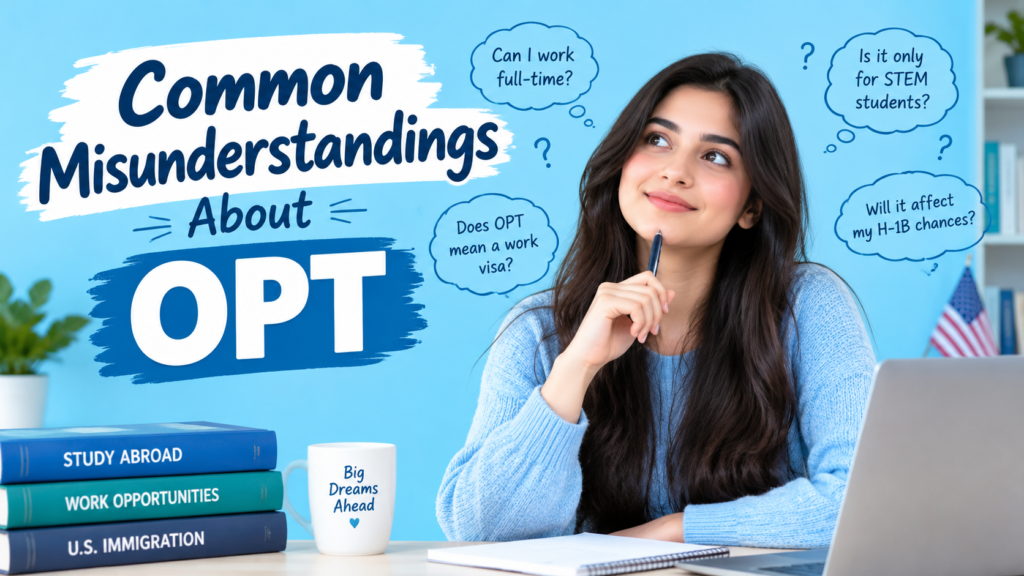
A few myths keep popping up. Let’s clear them up.
Thinking It Is an Acronym
Many people think OPT stands for something in every chat. In most texts, it does not. It is a normal word, short for nothing. Only in school, visa, or medical talk does it act as an acronym.
Confusing “Opt Out” With Rejection
Opting out usually means “not this time.” It does not always mean “I dislike you.” Most people use it to manage time, money, or energy.
Tone Misreading
Text has no voice. A plain “I’ll opt out” can sound cold even when it is not. Add a friendly note or emoji if you want to keep the mood warm.
OPT Compared With Similar Expressions
“Opt” has a few cousins. Here is how they compare.
| Expression | Meaning | Tone |
| Opt out | Choose not to take part | Neutral, polite |
| Pass | Decline | Casual |
| Count me out | I’m not joining | Friendly |
| Bail | Leave a plan at the last minute | Informal, can be rude |
| Skip | Choose not to attend | Casual |
| Opt in | Choose to join | Neutral, positive |
| Count me in | I’m joining | Friendly |
Key Insight
“Opt” sounds more thoughtful than “bail” or “skip.” It suggests a planned, clear decision. That makes it a good fit for work, school, and polite texts.
Variations and Types of OPT
Here are ten common ways people use “opt” today.
1. Opt In
To agree to join something. Example: “I opted in to the weekly newsletter.”
2. Opt Out
To decline or leave. Example: “She opted out of the study group.”
3. Opt For
To pick one choice over another. Example: “We opted for the early flight.”
4. Optional
Something you can choose to do, but do not have to. Example: “Attendance is optional.”
5. OPT-IN Email
An email list you joined on purpose. Example: “This is an opt-in email, so you can unsubscribe anytime.”
6. Double Opt-In
A two-step signup. You sign up, then confirm through a link in your inbox. It helps keep lists clean and real.
7. Selective Opting
Choosing only some parts of a program or plan. Example: “He opted in to dental but not vision.”
8. Silent Opt-Out
Leaving without announcing it. Example: “She quietly muted the chat.”
9. Social Opt-Out
Stepping away from social media, trends, or group events. Example: “I’m opting out of social media this month.”
10. Default Opt-In
Being signed up automatically unless you say no. Many workplace retirement plans work this way.
How to Respond When Someone Uses OPT
Your reply depends on the mood and the person. Here are easy ideas for each style.
Casual Replies
- “No problem! Maybe next time.”
- “All good. Catch you later.”
- “Got it. Thanks for letting me know.”
Funny Replies
- “Opting out? Your loss, the snacks are amazing.”
- “Fine, but you owe me a coffee.”
- “Okay, but we’re taking photos without you.”
Mature Replies
- “Thanks for being honest. I appreciate it.”
- “Understood. Let me know if anything changes.”
- “That’s fair. We’ll update the plan.”
Respectful Replies
- “I respect your choice. Take care.”
- “Thanks for telling us early. It helps.”
- “No pressure at all. The door is open.”
Regional & Cultural Usage of OPT

The word is understood in many places, but the style changes. Culture shapes how direct people feel comfortable being.
Western Culture
In the U.S. and Canada, “opt out” is common and direct. Saying no is seen as healthy and honest. People use it in chats, jobs, and customer service.
Asian Culture
In many Asian countries, people may prefer softer ways to decline. “Opt” is understood, especially among students and workers, but a longer, polite message is often used. The OPT visa program is also very well known there.
Middle Eastern Culture
In Middle Eastern countries, group plans and family events carry a lot of weight. A blunt “I opt out” may feel cold. People often add a kind note or reason to keep respect and warmth.
Global Internet Usage
Online, “opt” is easy to understand across languages. Apps use “opt in” and “opt out” in privacy menus worldwide. This makes the phrase a shared digital habit.
Gen Z vs Millennials
Both groups use “opt,” but in slightly different ways.
Gen Z
Gen Z uses it as a boundary tool. Phrases like “opting out of negativity” are common. It is playful, honest, and quick.
Millennials
Millennials often use it in a work or planning style. Think “I’ll opt out of the meeting” or “Opting for the budget option.” It sounds practical and calm.
Is OPT Safe for Kids?
Yes, the word “opt” is completely safe for kids. It has no hidden or adult meaning. It simply means “choose.”
Parents can even use it to teach kids about choices. For example, “Do you want to opt for apples or grapes?” It builds decision skills in a fun way.
One thing to watch is online privacy. Kids may see “opt in” buttons in apps and games. Teach them to ask an adult before agreeing to anything. In the U.S., children’s data is protected by laws like COPPA, but a parent’s check is still the best safety step.
Frequently Asked Questions
What does OPT mean in text?
In text, “opt” means to choose. It is most often used as “opt in” (join) or “opt out” (decline).
What does OPT stand for in the U.S. visa system?
It stands for Optional Practical Training. It lets F-1 students work in jobs related to their field of study.
Is OPT a slang word on TikTok?
Not really. TikTok users use it as a normal word, usually to show a personal choice, like “opting out of drama.”
What does opt out mean in email?
It means you stop receiving emails from a sender. Most people click the “unsubscribe” link at the bottom.
Is OPT safe for kids to use?
Yes. The word has no hidden meaning and simply means “choose.” Kids should still ask an adult before opting in to any app or website.
Final Thoughts
“OPT” in text is simple once you know the idea. It means to choose. People use “opt in” to join and “opt out” to step away. It is polite, clear, and easy to use.
Other meanings, like Optional Practical Training for students, depend on the setting. Always check the context before you reply. When in doubt, ask. A quick question can save a lot of confusion, and a kind tone keeps every chat friendly.

Hi, I’m Munaza, the creator of RTMeaning.com. I’m passionate about explaining internet slang, abbreviations, texting terms, and modern language in a simple and easy-to-understand way. Through this website, I help readers discover the meanings behind trending words, social media expressions, and online communication. My goal is to make learning new terms quick, clear, and enjoyable for everyone.