
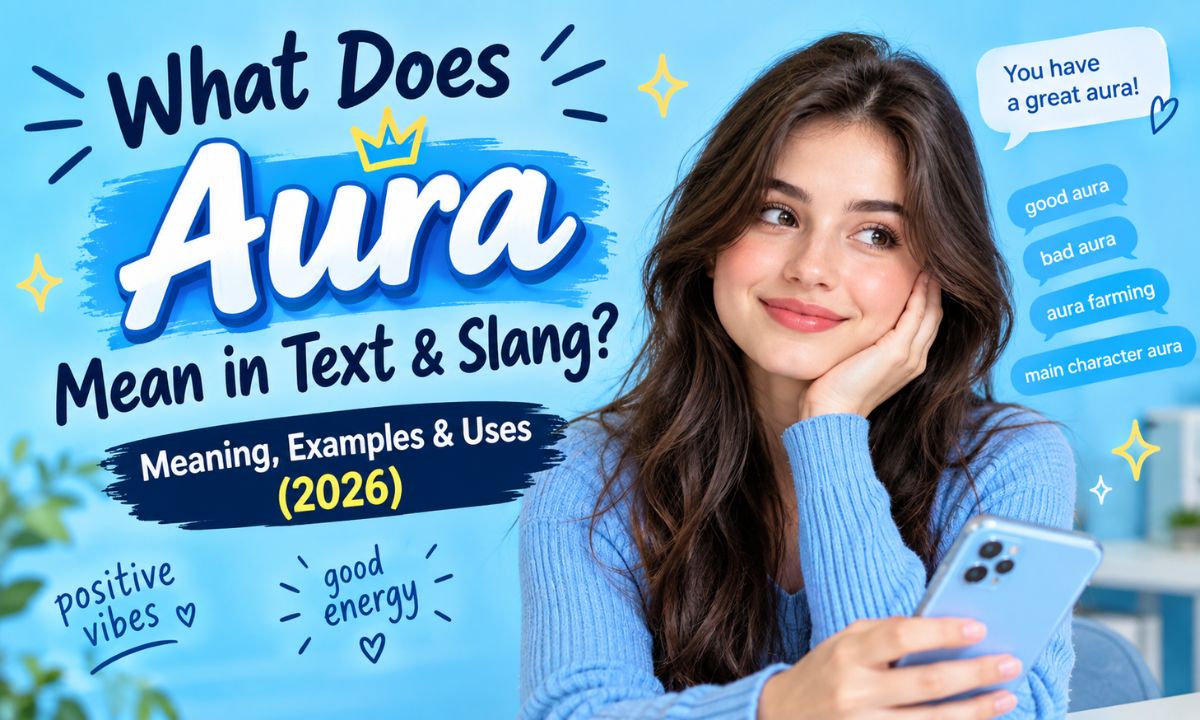

If you’ve been scrolling through TikTok, Snapchat, or your group chat lately, you’ve probably seen someone get called out for having an “insane aura” or losing it after a cringe moment. Aura has become one of the most used slang words of 2026, and if you’re not sure what it means, you’re definitely not alone.
This guide breaks down exactly what aura means in text and slang, how it’s used across different platforms, real chat examples, and how to reply when someone uses it on you. By the end, you’ll be able to use the word naturally and understand every reference to it in your feed.
Slang like this moves fast. What starts in a small circle of creators can spread across every platform within weeks, picking up new shades of meaning along the way. Aura is a perfect example of that pattern, and understanding its layers will help you keep up with wherever it goes next.
What Does Aura Mean?
In slang, aura refers to the vibe, energy, confidence, or overall impression a person gives off. It’s not about looks alone, it’s about how someone makes others feel when they walk into a room, post online, or handle a situation.
Originally, “aura” was a more spiritual or scientific term describing an invisible energy field said to surround a person. Gen Z picked up the word and reshaped it into something more casual: a way to measure someone’s coolness, confidence, or social presence in everyday moments.
Quick definition: Aura (slang) = the energy, presence, or impression someone gives off to others, usually tied to confidence, style, or how “cool” a moment feels.
The beauty of the term is its flexibility. It can describe a single second-long clip, an entire personality, or just the way someone carries themselves at a party. That flexibility is exactly why it caught on so widely.
Unlike older compliments like “cool” or “smooth,” aura implies something almost invisible, a presence you can feel but can’t fully explain. That mystical undertone is part of what makes the word feel fresh, even though the underlying idea of “vibe” has existed in slang for decades.
Aura on Different Platforms
When used online, aura is almost always about social perception. Saying someone “has aura” is a compliment. Saying they “lost aura” usually means they did something embarrassing.
Here’s the general breakdown:
| Phrase | Meaning |
| Good aura / high aura | Confident, impressive, attractive energy |
| Bad aura / negative aura | Awkward, off-putting, or embarrassing energy |
| Lost aura | Did something cringe or humiliating |
| Gained aura | Did something impressive or smooth |
| Aura points | A playful, imaginary score people use to rate someone’s actions |
The core idea: aura is a social currency. People “earn” or “lose” it based on how impressive, smooth, or awkward their behavior is.
This currency system is part of what makes the slang so sticky. It turns everyday interactions into a kind of game, where friends narrate each other’s wins and losses in real time. A good comeback, a smooth exit from an awkward conversation, or a well timed joke can all be “aura worthy” moments.
It’s worth noting that aura isn’t fixed. Someone can have “low aura” one moment and “high aura” the next, depending entirely on their latest action. There’s no permanent score it resets constantly, which keeps the joke fresh instead of turning into a lasting label.
Aura Points
Aura points are the informal scoring system built around the slang. There’s no official number or app, it’s purely a joke-based way friends use to react to each other’s moments in real time.
Doing something smooth or cool = +50 aura points Tripping in public or getting rejected = -100 aura points Recovering from an embarrassing moment gracefully = +20 aura points (redemption)
The numbers are made up on the spot, which is part of the fun. It’s less about math and more about reacting to a moment with humor.
Some friend groups take this a step further and keep a running mental tally, jokingly reminding each other of past “aura debts” weeks later. Others use exaggerated numbers like “+10,000 aura” or “aura in the negative billions” purely for comic effect.
There’s also a competitive angle. Friends will sometimes challenge each other to “farm” aura points through a specific action: a trick shot, a bold pickup line, or a stylish outfit choice turning a mundane hangout into a lighthearted contest. None of it is meant to be taken literally, but that’s exactly what keeps people playing along.
How Context Changes the Aura Meaning
Aura shifts meaning depending on tone, punctuation, and situation. A single word can be a compliment, a joke, or gentle teasing.
“You have aura” → genuine compliment about confidence or presence “Bro has NO aura 😭” → playful roast about an awkward moment “Aura +1000” → hyping someone up after something impressive “Aura left the chat” → joking that someone embarrassed themselves
Context, especially emojis, capitalization, and who’s saying it decides whether “aura” is flattering or teasing.
Punctuation carries a surprising amount of weight here. A simple period after “you have aura.” can read as sincere, while adding a skull emoji or all-caps flips the tone into a joke. Reading the surrounding message, not just the word itself, is the real key to understanding intent.
The relationship between the people involved matters just as much. A stranger commenting “no aura” under a post usually reads as a light joke, while a close friend saying the same thing might carry an inside reference only the two of them understand. Slang like this depends heavily on shared context.
Aura on Different Platforms
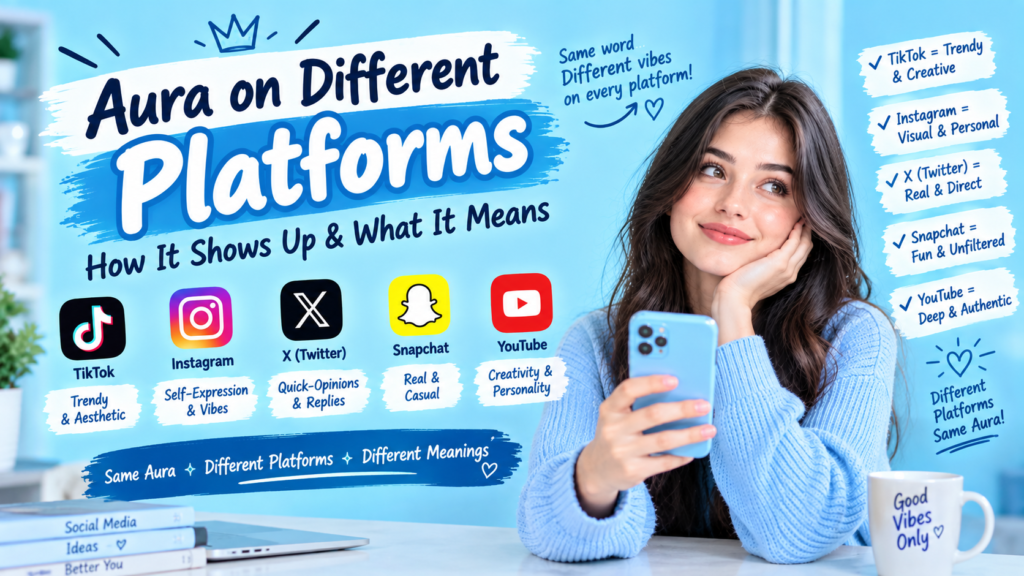
Aura shows up slightly differently depending on where you see it.
Text Messages and Group Chats
In texting, aura is often used as a quick reaction to something someone shared, like a photo, story, or decision.
“That fit has an aura.”
“You just lost so much aura typing that 💀”
“Ngl your comeback had aura.”
Group chats especially love turning aura into an ongoing bit, where one member becomes the designated “aura tracker” for the group, calling out gains and losses after every shared story or screenshot.
TikTok
On TikTok, aura is tied closely to “aura farming” videos where someone does a stylish, effortless looking action (a trick shot, a slow-motion pose, or a smooth walk) purely to build “aura.” It’s often used humorously, exaggerating how “cool” a clip looks.
Aura farming videos frequently lean into slow-motion editing, dramatic music, and confident body language, all played completely straight-faced even when the action itself is silly. The comedy comes from the mismatch between the over-the-top presentation and how ordinary the moment actually is.
On Instagram, aura usually appears in captions or comments describing confidence, style, or mysterious energy in a photo or reel. Think captions like “main character aura” under an outfit post.
It also shows up frequently in comment sections as a quick compliment, where a single word like “aura 🔥” under a photo functions as a shorthand for “you look confident and put-together.”
Snapchat
On Snapchat, aura tends to be more personal and reactionary, used in quick replies to a snap: “your aura is unmatched today” or “lost aura with that filter.”
Because Snapchat conversations are often more private and casual than public posts, the tone here tends to be more playful and teasing between close friends rather than a public compliment meant for a wider audience.
Real Conversation Examples
Here’s how aura plays out in actual chats:
Friend 1: “I walked past my crush and didn’t even stutter.”
Friend 2: “Bro’s aura is unreal rn 🔥”
Friend 1: “I tripped in front of the whole cafeteria.”
Friend 2: “Aura -500. RIP.”
Friend 1: “Just aced my presentation.”
Friend 2: “Aura farming fr, teach me your ways.”
These exchanges show how naturally the word slots into everyday storytelling. Instead of a long reaction, one word does the job of an entire sentence, which is part of why it’s spread so quickly through fast-paced chat culture.
Notice too how the response almost always builds on the story rather than just reacting to it. Aura works best as a follow up line that adds a layer of humor or hype, rather than a standalone comment with no context behind it.
Is Aura Rude?
Generally, no aura is lighthearted slang. Most of the time it’s playful, whether it’s praising someone or gently roasting them.
However, it can feel rude in certain cases:
When “bad aura” or “negative aura” is used repeatedly to mock someone When it’s aimed at someone’s appearance in an unkind way When used sarcastically in front of a group to embarrass someone
Like most slang, tone and intent matter more than the word itself.
A single “no aura” joke between friends is usually harmless, but repeating it constantly toward the same person can start to feel like singling them out. As with most internet humor, the line between playful teasing and actual unkindness depends on how the other person receives it, not just how it was intended.
If someone seems genuinely uncomfortable after an “aura” joke, it’s worth checking in rather than doubling down. The slang is meant to add lightness to a conversation, not create real tension.
Is Aura Flirty?
Aura can absolutely carry a flirty tone, especially in DMs or one-on-one texts. Saying “your aura is crazy” to someone you’re interested in often reads as a compliment on their confidence or attractiveness similar to how “rizz” is used, but softer and less explicitly romantic.
That said, aura isn’t inherently flirty. It’s used just as often between friends, in group chats, or online without any romantic undertone.
What usually signals flirtation isn’t the word itself but the surrounding conversation, extra emojis, a private DM instead of a public comment, or a compliment paired with a follow-up question. Aura on its own is neutral enough to fit almost any relationship dynamic.
Because it’s softer than more overtly romantic slang, aura is often a safer opening compliment. It lets someone express admiration without committing to anything more direct, which is part of why it’s become popular in the early stages of texting someone new.
How to Reply to Aura
Not sure how to respond when someone says you have (or lack) aura? Here are some go-to replies.
Friendly Replies
“Thanks, I try 😌” “Aura is a lifestyle.” “I’ve been farming this energy for years.”
Funny Replies
“My aura has left the building.” “Aura currently in the negatives, send help.” “I’m aura broke, come back later.”
Replies When You Are Confused
“Wait what does that even mean 😭” “Is that good or bad??” “Explain like I’m five.”
Matching the tone of the original message tends to land best. If someone hypes you up with “aura +1000,” playing along with an exaggerated thank-you keeps the joke going, while a flat or overly serious response can feel like it misses the point.
If you’re new to the slang, there’s no shame in asking directly what it means in context. Most people are happy to explain, and admitting confusion often turns into its own lighthearted moment in the conversation.
When to Use Aura
Aura works best in casual, low-stakes conversations where a little humor or hype fits naturally.
Reacting to a friend’s confident moment Teasing someone (gently) after an awkward slip Complimenting someone’s style or vibe online Joking around in group chats about “aura points”
It also works well as a caption or comment on your own posts, especially when you want to add a bit of self-aware humor to something you’re proud of, like a new outfit or a confident photo.
Because the word is so casual, it fits naturally into fast-moving conversations where a longer compliment would feel out of place. A single word does the job without slowing down the chat.
Also Read This Meaning LGHT Meaning
When to Avoid Aura
There are a few situations where using aura might not land well:
In professional or formal conversations With people unfamiliar with slang (it may just confuse them) When someone is genuinely upset turning a serious moment into a joke can feel dismissive Repeatedly using “bad aura” toward the same person, which can come across as bullying
Using slang in the wrong setting can also undercut how you’re perceived. A workplace email or a formal message that suddenly references “aura points” is likely to read as unprofessional, even if it’s meant playfully.
It’s also worth being mindful with older relatives, coworkers, or anyone outside your usual social circle who might not track internet slang. In those cases, a straightforward compliment usually communicates the same idea more clearly.
Common Mistakes With Aura
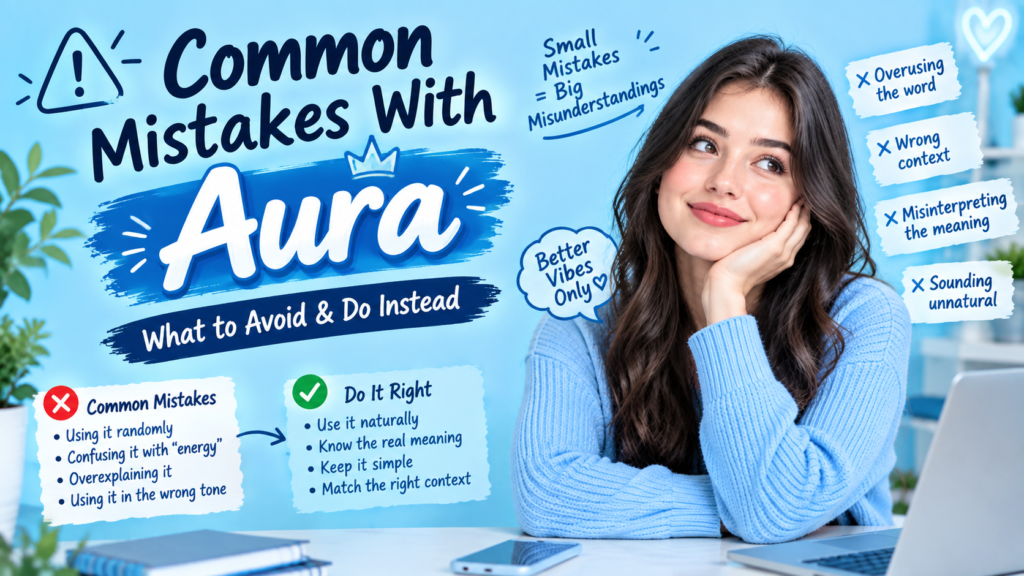
Here are a few ways people misuse or misunderstand the term:
Confusing aura with personality aura is about vibe and impression, not someone’s full character. Overusing it like any slang, using it in every sentence can weaken its impact. Taking it too seriously aura points aren’t literal; treating them as a real score misses the joke. Using it in formal writing it’s strictly casual, internet-based slang.
Another common mistake is assuming aura always means the same thing across every platform. A comment that reads as playful teasing on TikTok might come across differently in a private text, so it helps to consider where the conversation is happening.
Finally, some people try to force the term into situations where it doesn’t naturally fit, which can make a joke fall flat. Like most slang, it works best when it flows naturally rather than being inserted for effect.
Similar Slang Terms
Aura fits into a bigger family of Gen Z vibe-based slang. Here’s how it compares:
| Term | Meaning | Tone | Common Use |
| Aura | Vibe, energy, presence | Playful/positive | General slang, TikTok, texting |
| Rizz | Romantic charm or flirting skill | Playful | Dating slang |
| Main Character Energy | Acting like the star of your own story | Confident | TikTok captions |
| Swagger | Confident style or attitude | Casual | Everyday slang |
| Drip | Stylish outfit or look | Casual | Fashion-related slang |
While these terms overlap, each one has its own lane. Rizz focuses specifically on romantic or flirtatious skill, drip is tied almost entirely to clothing and style, and main character energy is about narrative confidence rather than a single moment. Aura sits in the middle, broad enough to describe almost any impressive or awkward moment.
Knowing the differences helps you pick the right word for the right situation, and understanding one term often makes the others easier to pick up, since they all share the same playful, energy-based spirit.
Where the Slang Meaning Comes From
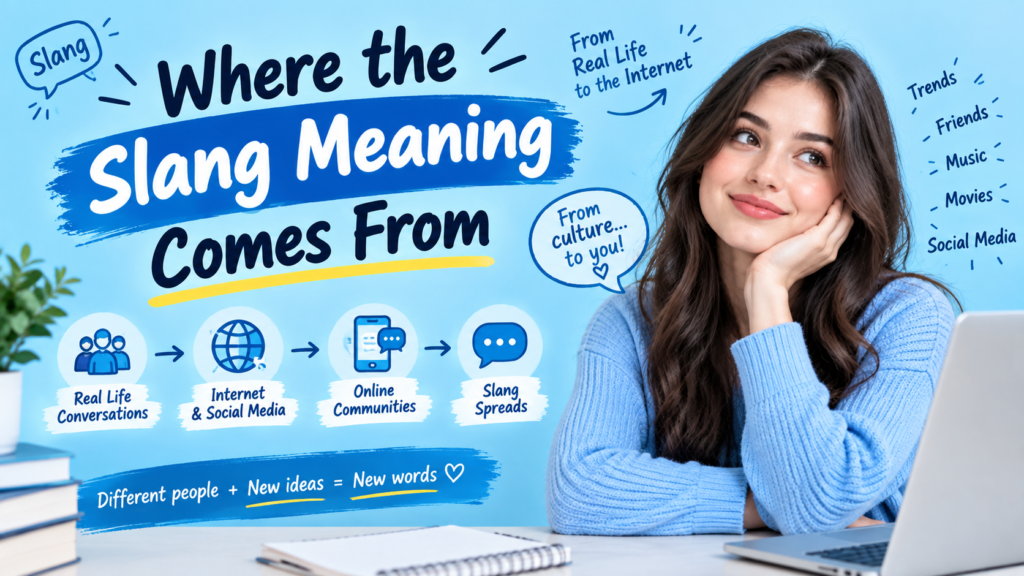
The word “aura” has roots in Latin and Ancient Greek, originally meaning “breeze” or “breath.” Over time, it became associated with a spiritual or energy field said to surround people, a concept popularized by the New Age and metaphysical communities.
Gen Z and internet culture repurposed this older meaning into something more playful: instead of a literal energy field, aura became shorthand for someone’s overall vibe or social presence. The rise of “aura farming” videos on TikTok where creators show off smooth, stylish actions helped push the slang into mainstream use throughout 2025 and 2026.
This kind of reinvention isn’t new. Internet slang regularly borrows older, more serious words and gives them a lighter, more humorous spin. Aura’s journey from a mystical concept to a casual meme mirrors how words like “energy” and “vibe” were repurposed in earlier years.
What makes aura stand out is how visual it became once tied to short-form video. The word paired naturally with slow-motion clips and dramatic music, giving it a strong foothold on platforms built around quick, shareable content.
Final Thoughts
Aura in text and slang is all about vibe, confidence, and the impression someone leaves behind. Whether it’s used as a compliment, a joke, or a lighthearted roast, it’s become one of the go-to ways people describe social energy online.
Understanding the tone and context behind “aura” makes it easy to use naturally in your own texts and to reply the right way when someone throws it your way. As with any slang, paying attention to who’s using it, and how, will always tell you more than the word alone.
Like most internet trends, aura will likely keep evolving, picking up new spins and inside jokes as it spreads. For now, though, knowing the basics covered here is more than enough to keep you fluent in one of 2026’s biggest slang terms.

Hi, I’m Munaza, the creator of RTMeaning.com. I’m passionate about explaining internet slang, abbreviations, texting terms, and modern language in a simple and easy-to-understand way. Through this website, I help readers discover the meanings behind trending words, social media expressions, and online communication. My goal is to make learning new terms quick, clear, and enjoyable for everyone.