


Ever gotten a text that just says “ut” and had no idea what your friend meant? You’re definitely not alone. This tiny two letter abbreviation shows up everywhere on WhatsApp, Instagram DMs, Snapchat, and even gaming chats.
It can leave people scratching their heads for a moment before the context clicks. The truth is, UT doesn’t have just one fixed meaning. It shifts depending on who is texting, which platform the conversation is on, and the overall tone of the exchange.
Two people could send the exact same three letters and mean completely different things. Neither would think twice about it, because the surrounding conversation makes the intent obvious.
In this guide, we’ll break down exactly what UT means, how it’s used, when to use it, and when to spell things out instead.
What Does UT Mean in Text?
In most everyday texting situations, UT stands for “You There?” It’s a fast, casual way of checking whether the person you’re messaging is online, active, or still paying attention.
Instead of typing out “Are you there?” people compress it down to save time and keystrokes. That’s really the whole philosophy behind texting slang.
Here’s a quick breakdown of the different meanings you might run into:
| Meaning | Common Context |
| Are you there? | Checking if someone is online or active |
| You too | Replying to a compliment or well-wish |
| Understood | Confirming you got the message |
| University of Texas | School or sports-related conversations |
| Universal Time | Science, aviation, or astronomy contexts |
| Utility | Gaming or software related chats |
As the table shows, meaning really depends on context. But if a friend randomly texts “ut?” mid conversation, they’re almost always asking if you’re still around.
This usually happens after a pause in the chat. Maybe you replied a few minutes ago and then went quiet, or maybe the other person just wants to make sure you’re still reading before they type out something longer.
Sending “ut?” is basically a low effort way of saying “before I keep typing, are you actually here?” It saves them from writing a whole paragraph to someone who already put their phone down.
Where Is UT Commonly Used?

UT pops up across nearly every messaging platform. It’s more common in casual, fast paced conversations than in anything formal.
Some of the most common places you’ll spot it include
- WhatsApp: quick check ins during ongoing chats, especially when a reply has gone quiet
- Instagram DM’s casual : back and forth conversations between friends
- Snapchat short : messages between snaps, where speed beats grammar
- Text message (SMS) : the classic “you there?” check when someone stops responding
- Gaming chats: quick call outs during multiplayer sessions
- Discord and group chats a : fast way to grab someone’s attention
UT is almost always informal. It fits naturally into chats between friends, but feels out of place in a professional email. Think of it as shorthand built for speed, not polish.
You’ll also notice it shows up more in one on one chats than in large group threads. In a big group, someone going quiet for a bit is normal and rarely worth checking on.
But in a one on one conversation, a sudden silence feels more noticeable. That’s exactly the gap “ut?” is designed to fill.
Examples of UT in Conversation
Seeing UT used in real conversations makes the meaning click faster than any definition can. Here are a few realistic examples.
Friend: “UT? Need to ask you something real quick.” You: “Yeah I’m here, what’s up?”
Person A: “Hope your exam goes well!” Person B: “Thanks, UT!” (meaning “you too”)
In a group chat: “UT everyone? We’re about to start the call.”
During gaming: “UT on defense, I’m pushing mid.”
Notice how the same two letters shift meaning depending on the sentence around them. That’s the nature of texting, slang context always fills in the gaps.
A few more everyday examples make this even clearer. “UT? Send you the link, lemme know if it works” is a check-in tied to a specific task. “UT lol” after a joke is closer to a laughing “same” than an actual question.
The punctuation and words around UT do most of the heavy lifting. The abbreviation itself is just a placeholder that the rest of the sentence fills in.
When to Use and When Not to Use UT
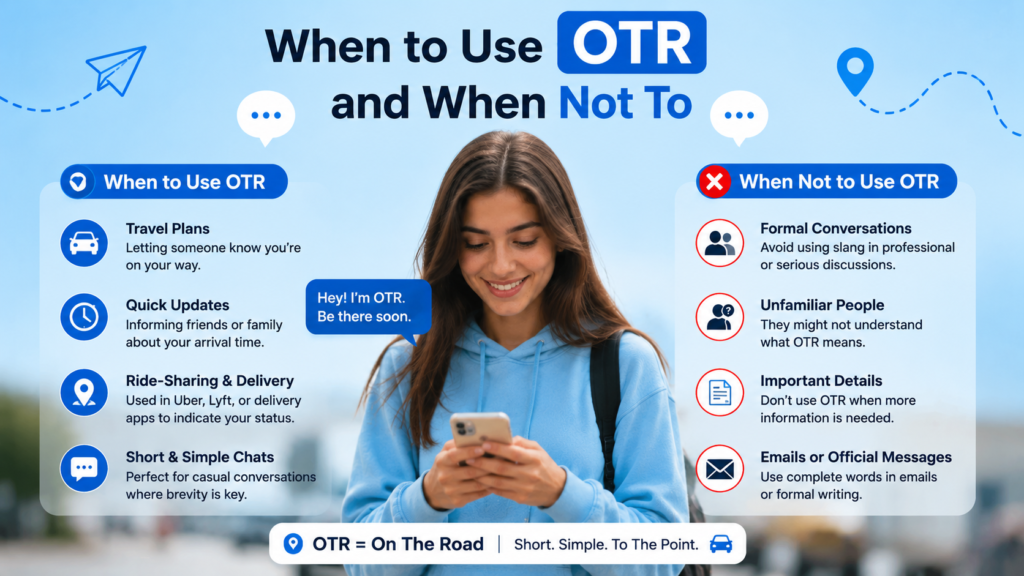
Like most slang, UT works great in some situations and falls flat in others. Here’s a simple breakdown to help you decide.
When to use UT:
- Chatting casually with friends or family
- Checking if someone’s still active in a conversation
- Replying quickly to a compliment (“you too”)
- Gaming or group chats where speed matters more than clarity
When not to use UT:
- Professional emails or workplace messages
- First-time conversations with someone new
- Formal or academic writing
- Customer service or business communication
A good rule of thumb: when in doubt, spell it out. “You there?” never confuses anyone. “UT?” sometimes does, especially with people who don’t text much slang.
Age and familiarity matter here too. Someone who texts you every day will read “UT” instantly, while a coworker or new acquaintance might genuinely pause to figure it out.
When you’re not sure how well someone knows internet shorthand, it costs nothing to just type the full question instead.
Other Meanings of UT in Text
Since UT is short and fairly generic, it naturally overlaps with other terms depending on the setting.
- University of Texas common in sports talk, college chats, or anything Texas related
- Universal Time used in aviation, astronomy, and other scientific contexts
- Understood a quick way to confirm you received someone’s message
- Utility occasionally seen in gaming or tech-related discussions
Similar Slang Words or Alternatives
If UT doesn’t quite fit what you’re trying to say, a few alternatives are commonly used instead.
| Slang | Meaning |
| WYA | Where are you at? |
| WYD | What are you doing? |
| HRU | How are you? |
| YT | Are you there? (less common variant) |
| BRB | Be right back |
Among these, WYA and WYD are closest in meaning to UT. Both are used to gauge whether someone’s around and available.
The main difference is what each one is actually asking about. UT checks presence, WYA checks location, and WYD checks activity.
Also Read This Meaning OTR Mean
Is UT Friendly or Rude?
Generally speaking, UT is neutral to friendly. It’s rarely meant to be rude, but tone and punctuation can shift how it lands.
A friendly use might look like “UT? Miss chatting with you lol.” Light, casual, and warm.
A neutral use is simply “UT” sent alone with no punctuation. It’s a plain check-in with no strong emotion attached.
An impatient use might look like “UT?!” or “UT, need this now.” That can come across as urgent, especially with exclamation marks.
The takeaway: punctuation and emojis matter a lot. A smiley softens things instantly, while all-caps or repeated question marks can make it feel demanding.
Reading tone from two letters can be tricky, especially with someone you don’t know well. If you’re ever unsure whether a “UT?” is friendly or annoyed, it’s usually safe to assume the sender just wants a quick reply, not a confrontation.
Why Do People Use UT in Texting?
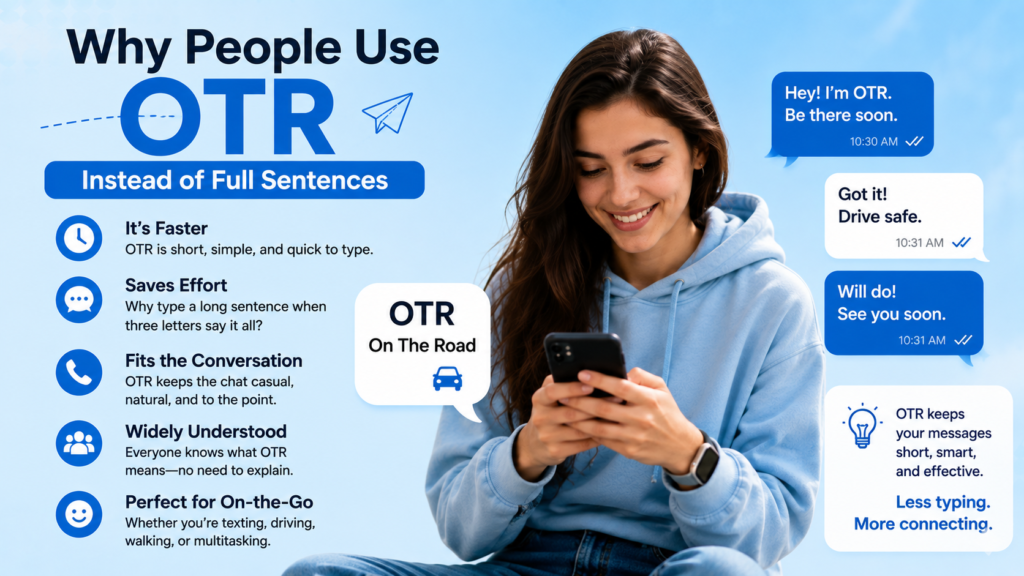
Texting slang exists for a reason, and UT is no exception.
Faster communication Typing “UT” takes about two seconds. Typing “Are you there?” takes noticeably longer, and every saved keystroke adds up.
Casual chat style Modern texting favors short, informal language. Full sentences can feel stiff between friends.
Gaming culture Online gaming relies on quick, abbreviated communication. Players need speed without breaking focus, so short slang fits naturally.
Social media trends Platforms like Snapchat, Instagram, and TikTok have normalized abbreviated, meme-influenced language. Slang spreads fast once it catches on in a group.
Is UT Still Used in 2026?
Yes, but it’s not as trendy as it once was. Compared to newer slang like “WYA” or “WYD,” UT has taken a bit of a backseat.
Still, it hasn’t disappeared. Plenty of casual texters continue to use it for quick check-ins.
Slang tends to move in waves rather than vanish completely. UT may not trend the way it once did, but it’s still widely understood, which means it’s in no danger of becoming confusing or outdated anytime soon.
Frequently Asked Questions
What does UT mean in a text message?
UT usually means “You There?”a quick way to check if someone is online or paying attention.
Is UT rude to send someone?
No, UT is generally neutral to friendly. Tone and punctuation can make it feel more urgent, but it’s rarely meant to be rude.
Does UT always mean “You There?”
Not always. It can also mean “you too,” “understood,” University of Texas, or Universal Time depending on context.
Can UT be used in professional messages?
It’s best avoided in professional or formal communication since it’s strictly casual slang.
What’s the difference between UT and WYA?
UT typically checks if someone is present. WYA (“where you at?”) asks about someone’s location.
Is UT common on social media?
Yes, it appears often on WhatsApp, Instagram, and Snapchat, though newer slang has slightly reduced its popularity.
Conclusion
So, what does UT stand for in texting? In almost every casual context, it simply means “You There?” A fast, informal way to check if someone’s around and paying attention.That said, context is everything.
Depending on the conversation, UT could also mean “you too,” “understood,” or even refer to something unrelated, like a university or a time zone.The best rule of thumb: if you’re texting a friend casually, UT works perfectly fine. If you’re unsure how someone will interpret it, or you’re in a formal setting, just spell it out.
A little clarity never hurts, and now you’ll never be caught confused by a random “ut” text again.

Hi, I’m Munaza, the creator of RTMeaning.com. I’m passionate about explaining internet slang, abbreviations, texting terms, and modern language in a simple and easy-to-understand way. Through this website, I help readers discover the meanings behind trending words, social media expressions, and online communication. My goal is to make learning new terms quick, clear, and enjoyable for everyone.